Masters Students

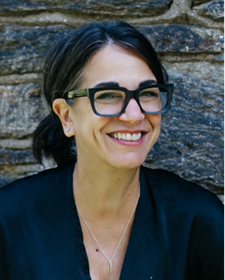
Madeleine Blunt

Madeleine Blunt


Madeleine Blunt (MSPH, BSN, RN, CPH) is a doctoral candidate at the Johns Hopkins University Bloomberg School of Public Health (JHSPH) in the Department of International Health – Global Disease Epidemiology and Control program. She holds a BSN in Nursing Practice from Baylor University, graduate certificates in vaccine science and risk sciences from JHSPH, and MSPH in Global Disease Epidemiology and Control from JHSPH. Her professional interests include vaccine research, with a focus on vaccine development, epidemiologic and statistical methodology, global health, and immunology.

Madeleine served as PAVE Scholar with the UNICEF Immunization Section in 2023 and was awarded the Clements-Mann Fellowship in Vaccine Science in 2024.  She currently completing a Gordis Teaching Fellowship at Johns Hopkins University. Her course, entitled “Historical Perspectives on Vaccines and Public Health”, offers an exploration of the history and evolution of vaccines, examining their development through the lenses of biomedical concepts, historical events, and socio-cultural contexts.

Madeleine began the concurrent PhD in International Health/MA in History of Medicine program in 2021. Her thesis explores the relationships between water management, public health, and enteric disease in South Asia.

Anupama Cemballi

Anupama Cemballi


Anupama (Anu) Cemballi joined the CAST-M program to further explore her broader interests in understanding and studying food sovereignty movements in South India (Tamil Nadu, Andhra Pradesh, and Telangana) and Goa. In Baltimore, she is examining food waste as a part of the larger national RECIPES research network. She previously worked at Edible Archives, a sustainable food systems-focused restaurant in Goa, India. Her prior research experiences in health disparities include roles as a Research Program Manager at UCSF’s Center for Vulnerable Populations (now the UCSF Action Research Center for Health Equity) in San Francisco, California, and Research Assistant at MetroHealth’s Center for Health Care Research & Policy (CHRP) in Cleveland, Ohio. She graduated from Case Western Reserve University with a B.A. in Medical Anthropology and an M.A. in Bioethics through the Integrated Graduate Studies program.

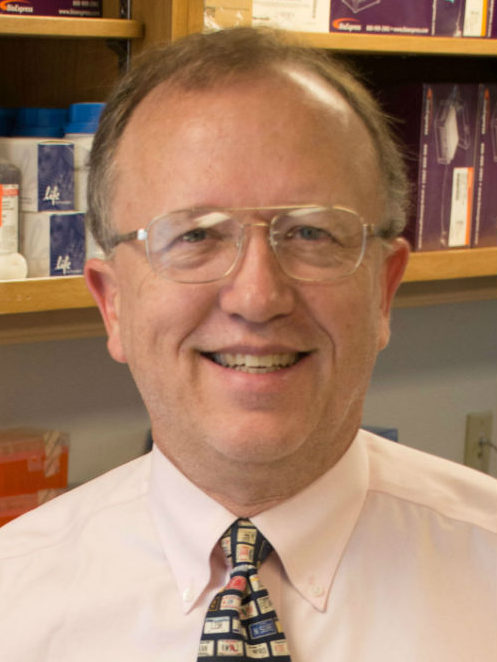
Raymond Curry

Raymond Curry


Following on four decades in academic medicine and educational administration, I’m very much enjoying the opportunity to develop skills in historical scholarship with the wonderful faculty in the Department of the History of Medicine and with my colleagues in the online masters program.

I am a native of Lexington, Kentucky, and a graduate of the University of Kentucky and of the Washington University School of Medicine in St. Louis.  I then trained in internal medicine at Northwestern University/McGaw Medical Center and joined the faculty in their nascent academic general internal medicine division in 1985.  After serving as internal medicine clerkship director and a clinical firm chief I was then vice dean for education at the Northwestern University Feinberg School of Medicine from 1998 to 2014. Since 2015 I have served in a similar role, senior associate dean for educational affairs, at the University of Illinois College of Medicine, which is based in Chicago with regional campuses in Peoria and Rockford, Illinois.

My academic interests include the study and teaching of doctor-patient communication, access to medical education for those under-represented in the profession, including students with disabilities, and the history of medical education – the latter interest driving my involvement in the masters program.  I am currently serving as a member of the Liaison Committee on Medical Education (LCME), the accrediting body for MD-degree programs in the US, and the Advisory Council for the Chicago Area Albert Schweitzer Fellowships program.  I have also in the past been involved in leadership of the Academy of Communication in Healthcare, the Provident Foundation, and the Northern Illinois chapter of the American College of Physicians.

My evolving masters thesis is embedded in Progressive era Chicago, and explores the relationships between physicians connected with Jane Addams’ Hull House and local medical schools, with particular attention to contemporary concepts of social hygiene and eugenics.

My wife, Dr. Kristi Kirschner, and I are the parents of two adult sons; we live in the Hyde Park neighborhood of Chicago.
Ryan Falk

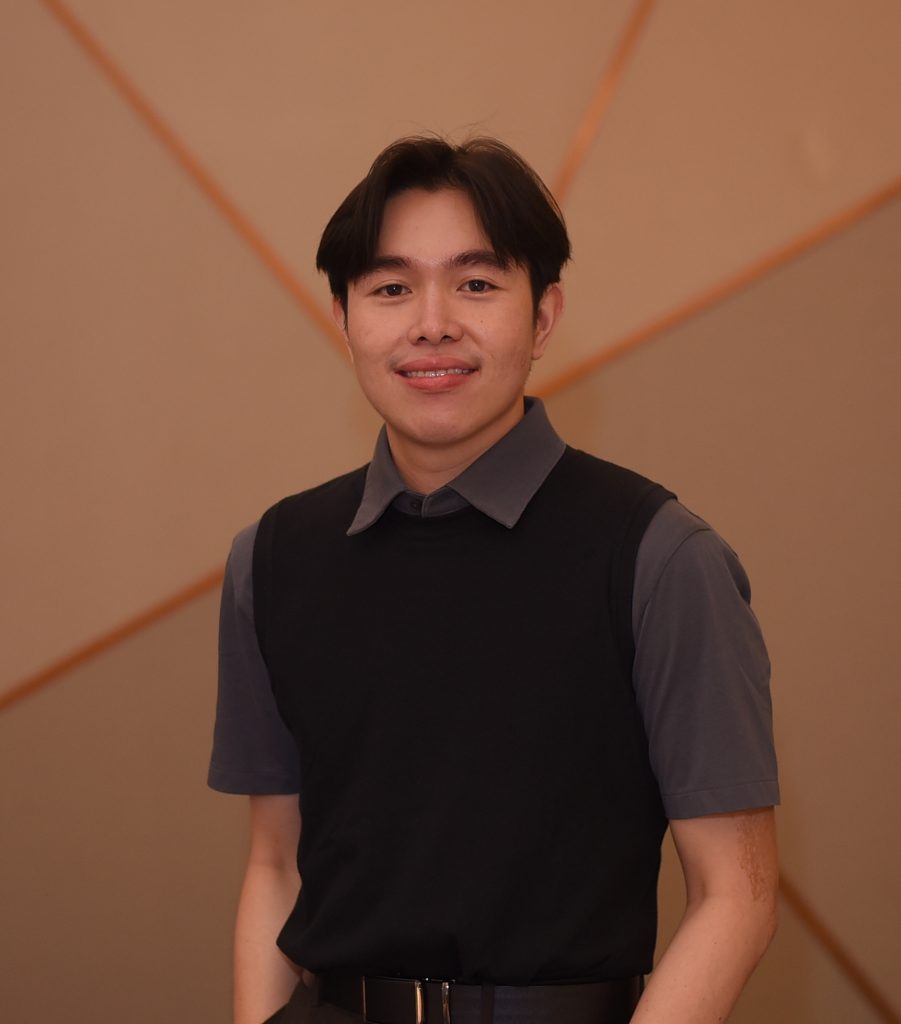
Ryan Falk


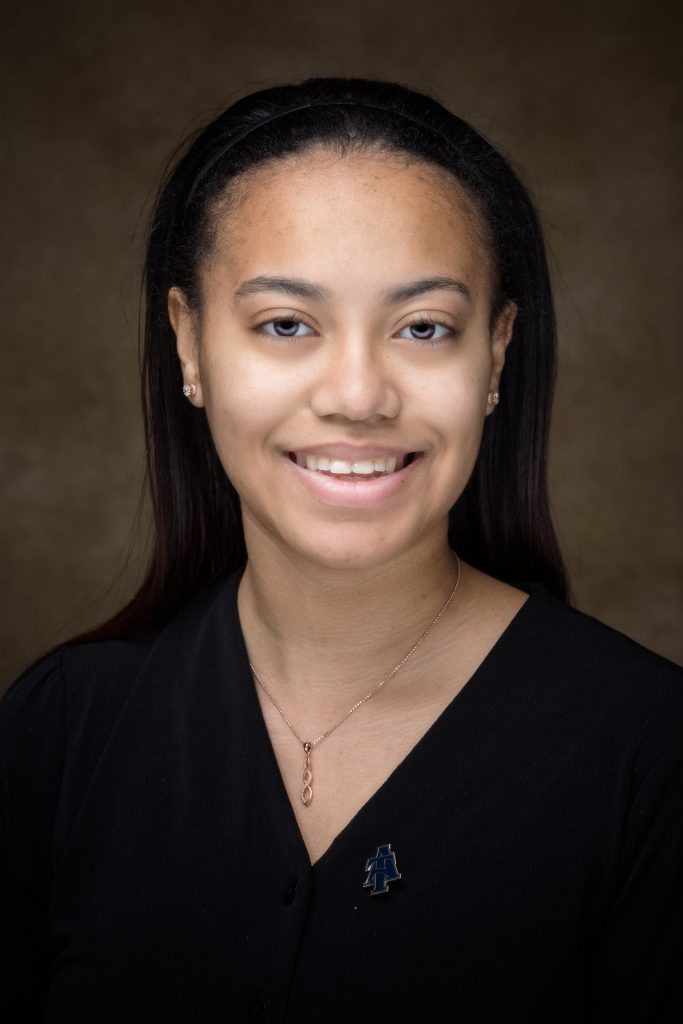
Ryan Falk (MD, CCFP-ESS, MGSC, FRRMS, FCFP, DTM&H) is a rural generalist physician/surgeon from British Columbia, Canada who spends most of his clinical time in the Beaufort Delta Region of the Northwest Territories. He holds a BSc in Biology and a BA in French and Archaeology from Simon Fraser University, an MD from the University of British Columbia (UBC), and a Masters in Global Surgical Care (MGSC) from UBC. His professional interests include medical education and surgical care for rural/remote and Indigenous populations. He is on faculty with UBC’s Department of Surgery (MGSC program) and the Department of Family Practice (rural clinical instructor).

Ryan started the certificate program in 2018 and migrated into the online MA program in January 2023. As a generalist at heart, his interests within the history of medicine are very broad but tend towards transitions in theory/practice and medical/surgical education. During the Research Practicum, his project focused on the role played by WWI Casualty Clearing Stations in transforming the contemporary understanding of traumatic shock. For his thesis, he is investigating cesarean sections in the early modern period, when they transitioned from a post-mortem procedure to one performed on living women.

Joseph Aaron S. Joe

Joseph Aaron S. Joe


Joseph Aaron Joe earned a Bachelor of Science degree in Psychology from the Ateneo de Manila University in 2018. He has also taken up coursework towards an MA in Anthropology (unfinished degree) at the University of the Philippines in 2021.

Since 2018, he was engaged in various research projects in public health, focusing on health systems strengthening and the sociocultural dimensions of health and illness. He is a Research Associate at the Planetary and Global Health Program of the St. Luke’s Medical Center-College of Medicine. Prior to this, he assisted in research projects at the University of the Philippines Manila-Neglected Tropical Diseases Study Group and the Alliance for Improving Health Outcomes, Inc.

Through the CAST-M program, he wishes to develop the necessary lens and tools to critically approach studies on sustainable health and well-being of populations historically marginalized on the basis of gender, sexuality, and colonialism.

Anisa Johnson

Anisa Johnson


Anisa received her BS in Nutrition from North Carolina Agricultural & Technical University in 2020 where she began research interests at the intersection of maternal health and historical analyses of global human rights.  After graduating she continued this work by joining the team of researchers and practitioners of Healthy Hearts Plus II (HHP II) – a community-based nonprofit providing innovative education and nutritional interventions to women and girls who are under-resourced and historically underserved.  As part of a collaboration between HHP II and Virginia Commonwealth University School of Nursing, Anisa gained experience as a Research Assistant in an NIH-funded perinatal intervention study examining the impact of mindfulness/movement practices in reducing stress and depressive symptoms. Using these professional experiences Anisa will marry her love of advocacy work, science, and history through the CAST-M program.

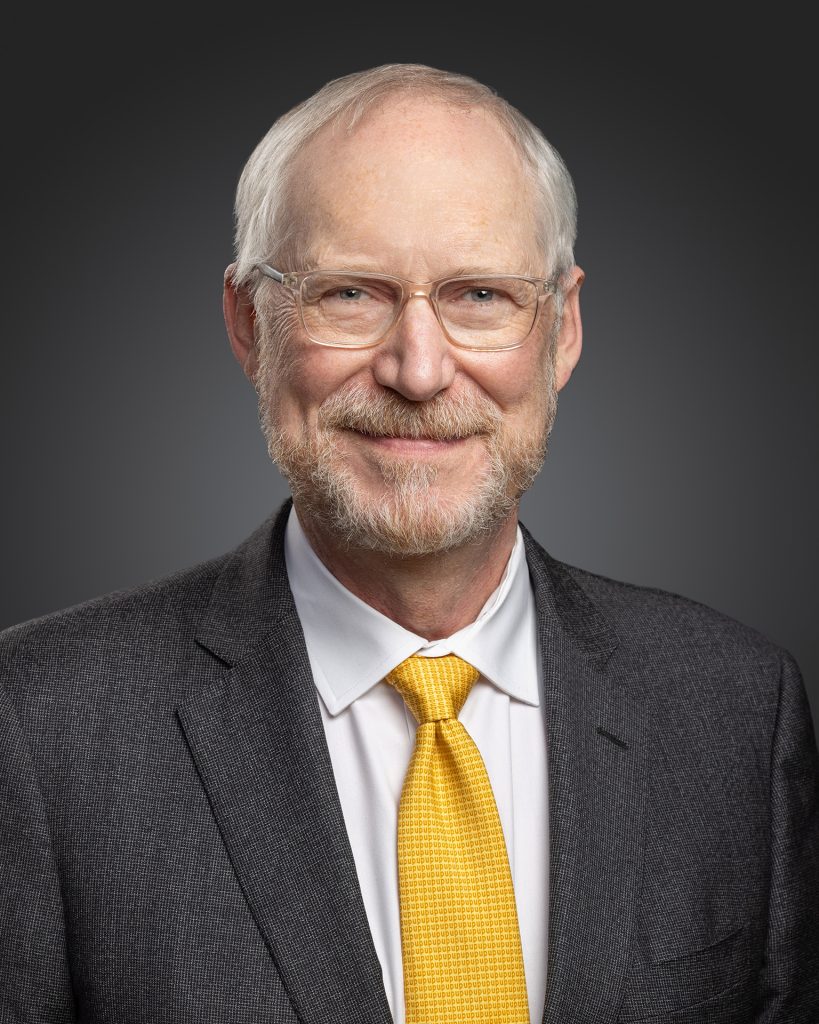
Petros C. Karakousis

Petros C. Karakousis


Petros C. Karakousis, MD is a Professor of Medicine at the Johns Hopkins University School of Medicine with joint appointments in International Health and Molecular Microbiology & Immunology at the Johns Hopkins Bloomberg School of Public Health. Petros began the History of Medicine online MA program in January 2021. He is a physician-scientist with a long-standing interest in infectious diseases, medical history, and the social dimensions of medicine.

Petros graduated summa cum laude from Johns Hopkins University in 1994, received a Distinguished Alumni Scholarship to attend Washington University School of Medicine in St. Louis, and was inducted into the Alpha Omega Alpha Honor Society in 1998. He completed his residency in Internal Medicine at the Hospital of the University of Pennsylvania, followed by fellowship training in Infectious Diseases at Johns Hopkins. Since joining the faculty in 2005, he has focused his research and clinical interests on tuberculosis and other mycobacterial diseases. He is the Principal Investigator of the Johns Hopkins University TB Research Advancement Center (TRAC).

In the MA program, his thesis project explores the factors that influenced nurses to work on the Johns Hopkins Hospital Osler 8 inpatient HIV unit in the pre-HAART (Highly Active Antiretroviral Therapy) era.

Luis Merlo

Luis Merlo


Luis is a physician from Quito, Ecuador, where he has devoted himself to academics and medical humanities. After obtaining his medical degree from Universidad Internacional del Ecuador, he obtained an ME in Universidad de las Fuerzas Armadas – ESPE and a MS in Neuroscience and Psychology of Mental health in King’s College London, from which he graduated with distinction. He has worked as a physician in private and public hospitals in Ecuador but has developed most of his career as professor of medical humanities and mental health, as well as area coordinator for his medical school. He is currently the Dean of the School of Medicine in Universidad de Las Américas, where he also teaches history of medicine and psychopathology modules to medical undergraduate students. He is interested in research on the history of psychiatry, medical education in the early-modern period and visual depictions of the body throughout the postclassical era. Outside his academic career, Luis holds a diploma in scientific illustration, which he practices occasionally.

Iqura Naheed

Iqura Naheed


Iqura Naheed received her B.A. in Anthropology from the Macaulay Honors Program at Brooklyn College with a concentration in medical anthropology. Iqura’s work broadly focuses on women’s health issues in the South Asian and Muslim community. After graduating, Iqura worked as the program coordinator at The Muslim Womens Leadership Development Project (MWLDP) housed in The Women’s Center at Brooklyn College. She also did work as a Chapter Lead for the NYC based non-profit Malikah, an anti-violence organization focused on building safety and power for women. Iqura joined the CAST-M program to continue research addressing barriers within reproductive healthcare access for South Asian Muslim women through decolonial and STS frameworks. She looks forward to pursuing a career as an MD/PhD in the future.

Justine Prince

Justine Prince


Justine received her B.A. in Anthropology and Medicine, Science, and the Humanities from Johns Hopkins University. Her research background is interdisciplinary and has addressed a wide range of concerns within the social sciences including public health, medical anthropology, and urban studies. Most recently, she was a Research Assistant at the Black Health Heritage Data Lab, where she worked on the advancement of health equity for Black communities in Providence, Rhode Island. Motivated by her personal experiences and academic research, Justine is passionate about bridging the gap between the medical sciences, social sciences, and disability studies. As a CAST-M student, she aims to research how disability cannot only be viewed in terms of a medical diagnosis but should be interpreted as the result of the interactions one has with their built and social environments.

Aman Rahman

Aman Rahman


Aman Rahman received his B.S. In Health Sciences and English from Stony Brook University. He was previously an intern at the NYC Department of Health and Mental Hygiene’s tobacco control unit and a health educator for HIV prevention at Stony Brook Children’s Hospital. Most recently, he conducted a pilot study of substance use among Muslim American undergraduate students with the School of Health Professions at Stony Brook University. As a CAST-M student, he aims to explore the intersections of Muslim American experience and the construction of mental illness.

Molly Sauer

Molly Sauer


Molly is a public health researcher and practitioner in the Johns Hopkins Bloomberg School of Public Health. Since 2014, her work at JH/BSPH has focused on designing, implementing, and evaluating infectious disease prevention and control efforts in complex and lower-resourced settings, particularly for vaccine delivery and demand, surveillance, and health system strengthening. She previously worked with the U.S. CDC and Washington State Department of Health and holds dual BAs (History, Public Communication) from American University and a PhD (International Health) and MPH (Infectious Diseases, Applied Epidemiology) from Johns Hopkins. Eager to ground her public health work in its historical roots and critically examine international health and development, and building on training in the history of medicine at American University and the University of Cape Town, she joined the MA program as a joint degree while completing her PhD in the Department of International Health across the street. Her MA thesis research focuses on the social and structural factors that shaped the lived experience of individuals with leprosy (Hansen’s disease) in late 19th century India, a turning point for isolation-centered interventions.

Hal Scofield

Hal Scofield


I received a BA in Chemistry from Texas A&M University in 1980, and was the fourth generation of his family to attend Texas A&M.  I graduated with the MD degree in 1984 rom the University of Texas Southwestern Medical School in Dallas.  I was then an internal medicine intern and resident at the University of Oklahoma Health Sciences Center from 1984 through 1987, serving as Medicine Chief Resident 1987-1988.  I was an endocrinology fellow at the same institution and a post-doctoral fellow in immunology and genetics at the Oklahoma Medical Research Foundation from 1988 to 1991, joining the faculty at OUHSC in the Department of Medicine and the Arthritis & Immunology Program at OMRF in 1991.

My research concentrates on the immunology, genetics and endocrinology of systemic lupus erythematosus and Sjögren’s syndrome.  I have published ~350 scientific articles, and had continuous funding by the National Institutes of Health since 1991. I was an NIH Fogarty International Fellow at the Universidad Autónoma de Madrid in 1998. From May 2008 through June 2011 I was Associate Dean for Clinical & Translational Research in the College of Medicine at OUHSC. In 2017 I was appointed Associate Chief of Staff for Research at the Oklahoma City Department of Veterans Affairs Medical Center.  I began teaching the History of Medicine Enrichment course for second year medical students at OUHSC in 2010, which is one of several humanities electives in the fall semester.  Once I was teaching this course, I decided I wanted to formalize my longstanding interest in medical history; thus, I began taking courses in the on-line in the Hopkins program.

I am now a Masters student at the point of starting research for my thesis.  I am planning to write about Isabella Vandervall, a Black woman physician who practiced in Harlem beginning in 1915.  She was an early advocate for birth control.  I just submitted a grant to the New York City Public Library as a short term scholar in order to study her papers at the NYPL Schlomburg Center for Research in Black Culture in Harlem.  I am trying to carve out a portion of my career for medical history and have published 2 history papers with another in preparation.  I have published two short stories as well as a paper in the Journal of Irreproducible Results. My wife Bea and I live in an historic neighborhood in Oklahoma City in a house built in 1928 (That is about as old as houses get in OKC). I enjoy golf, soccer refereeing, practicing my Spanish at free clinics as well playing the trumpet and the tuba.

Denise Straiges

Denise Straiges


Denise is a 2023 graduate of the JHU History of Medicine Program. Her thesis, Contingent Evolution: Homeopathy and 19th Century Biomedicine explores how the uptake of bacteriological discoveries into the canon of 19th century medical knowledge was an interdependent and non-linear process in both orthodox and heterodox spaces.

Since 2015, Denise has served as President and Clinical Director of The Academy of Homeopathy Education, the named educational provider for the American Institute of Homeopathy, and HOHM Foundation, a not-for-profit, research-based initiative. She teaches around the world in Homeopathy, integrative wellness, and spirituality in medicine.

Denise has conducted extensive, primary research on the intellectual origins of Homeopathy, the 19th century medical modality as put forth by Samuel Hahnemann (1755-1843), with specific focus on Hahnemann’s The Chronic Diseases and the chemical origin of his medicine. In conjunction with HOHM Foundation, she has published numerous peer-reviewed articles on clinical outcomes and education in integrative medicine. She is completing a compendium of homeopathic case analysis with expected publication in 2024.

Academic interests include the alchemical/iatrochemical influences in 18th and 19th century medicine; she has the intention to pursue a PhD on this topic.

Harriet A. Washington

Harriet A. Washington


Harriet A. Washington is a writer whose books include Medical Apartheid: The Dark History of Experimentation with Black Americans from Colonial Times to the Present, Infectious Madness: The Surprising Science of How We “Catch” Mental Illness, and the forthcoming Renaissance Men.  She lectures widely on history of medicine and medical ethics in the US and abroad and has held fellowships at Stanford University, Harvard Medical School, and elsewhere. She is a lecturer in Bioethics at Columbia University, co-chair of the History and Public Health Section of the New York Academy of Medicine and is widely published in both popular and peer-reviewed publications.

Her awards include the Congressional Black Caucus Beacon of Light Award, a slew of first prizes in investigative journalism, and awards from several  universities, including the 2025 University of Rochester President’s Award,   Columbia University’s  Mailman School of Public Health’s Public Health Leadership Award, and its 2020-21 Kenneth and  Mamie Clark Distinguished Lecture Award as well as  the American Medical Writers Association Walter C. Alvarez Award, the  National Book Critics Circle Nonfiction award, and a PEN award. She curates a feature-film series focused on history of medicine.

Bailey West

Bailey West


Bailey West is from Michigan and was accepted into the History of Medicine Online Master’s program in 2021. Bailey received her BA in History from Oakland University in 2021 and Associate’s Degree from Northern Michigan University in 2017.